
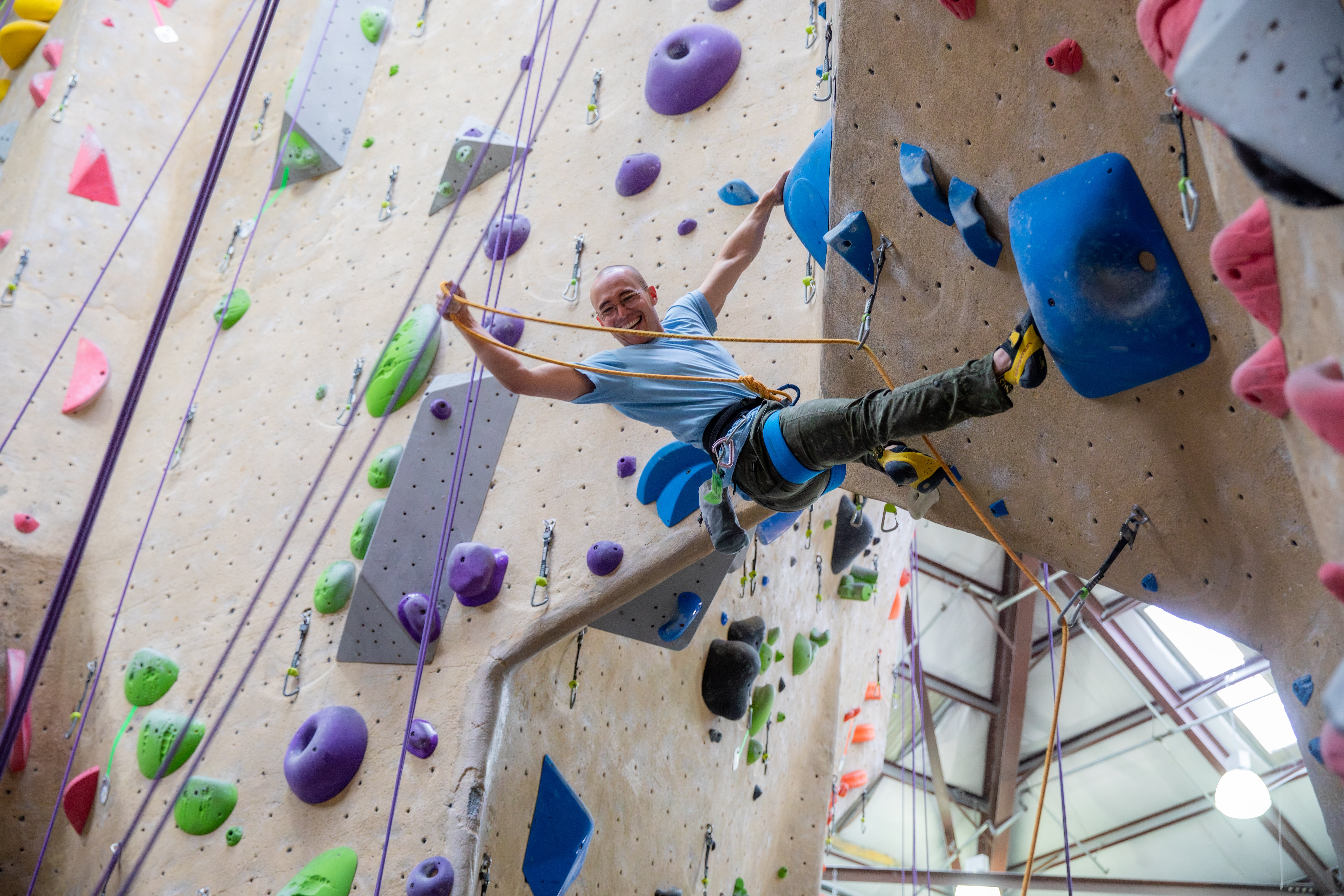

Whether you’ve been climbing for a few days, years, or decades, you’ve likely felt the physical changes that come from pulling on plastic or rock. But as climbing has moved more into the mainstream light, another aspect has gained attention: the mental changes.
Confidence in Moving
Climbing is one of the few activities where progress can be quickly visible. For many climbers, honing even a small technique can feel like leaps of progress.
This process builds self-efficacy a.k.a the belief that you can overcome challenges. And that belief doesn’t stay at the gym. Climbing also reframes failure. Falling off a route isn't immediate failure, it's a time to grow. You adjust your beta, rest, train harder, and keep going.
Over time, that mindset builds resilience. The habit of approaching problems with curiosity and determination rather than self criticism often carries into work, relationships, and personal goals.
A Structured Way to Face Fear
Fear is often be a natural part of climbing
Whether it’s fear of falling, failing, or looking foolish, climbing exposes you to discomfort in a semi controlled environment. Over time, you learn to overcome the mental blocks and trust yourself, communicate with your partner, and commit to a move you wouldn't imagine doing a year ago.
Depending on where you're looking to overcome areas in your climbing journey, there are multitudes of resources available for you. Check out our blogs on scary moves, crack climbing, and preventing injuries to start.
Overcoming fear applies directly to life outside the gym. Difficult conversations, career changes, and personal risks often feel similar to committing to a scary move on the wall.
Community and Connection
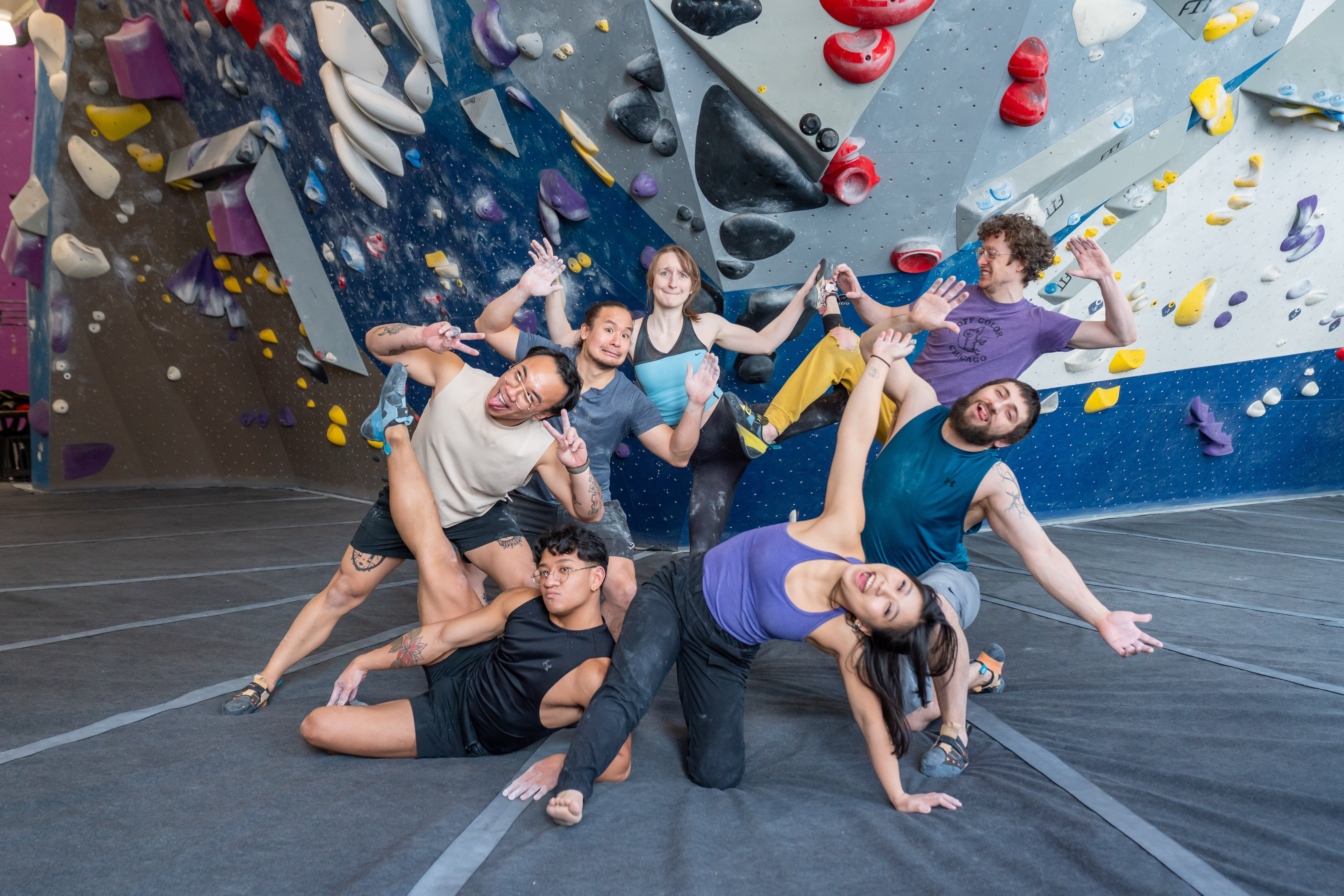
Climbing can be a deeply social sport, and the gym often becomes a third space for those needing an outlet. This is a vital fact to keep in mind as loneliness is becoming more and more recognized as a public health concern.
Finding a partner, or attending an event at your local gym is the first step toward building, more deeper and intentional community.
Why Climbing Matters
Mental health challenges are more common than ever. While therapy, medication, and other treatments are essential for many people, lifestyle activities can play an important complementary role as well.
You don’t have to be fearless, immensely strong, or have a certain body to start climbing.